Get French Drain Installation in Grand Rapids, MI
Local contractors in Grand Rapids, MI, can install French drains to prevent basement flooding, manage yard water runoff, and improve drainage around homes and landscapes.
Property owners in Grand Rapids, MI, facing issues with excess water or poor drainage often explore options like French drain installation to protect their landscapes and foundations. Proper drainage solutions can help prevent water pooling, soil erosion, and potential damage during heavy rains or snowmelt. If you’re considering ways to improve your property's water management, you’re in the right place to learn about how local contractors can assist with planning and installing effective drainage systems tailored to the unique conditions of the Grand Rapids area.
Comparing local service providers can be an important step in finding the right fit for your project. Many property owners seek experienced contractors who understand the local climate and soil conditions, ensuring a reliable and durable drainage solution. Keep reading to discover how connecting with qualified professionals can help you evaluate your options and find the drainage services that best meet your property’s needs.
- French Drain Installation - needed when excess water pools around a home's foundation after heavy rain.
- French Drain Repair - required when existing drainage systems become clogged or fail to direct water properly.
- Basement Waterproofing - essential for homeowners experiencing basement flooding or moisture issues in neighborhoods like Eastown or Alger Heights.
- Drainage System Upgrades - recommended when current drainage cannot handle increased water runoff from property expansions.
- Drainage Consultation - useful for property owners seeking expert advice on managing water flow around their homes or commercial buildings.
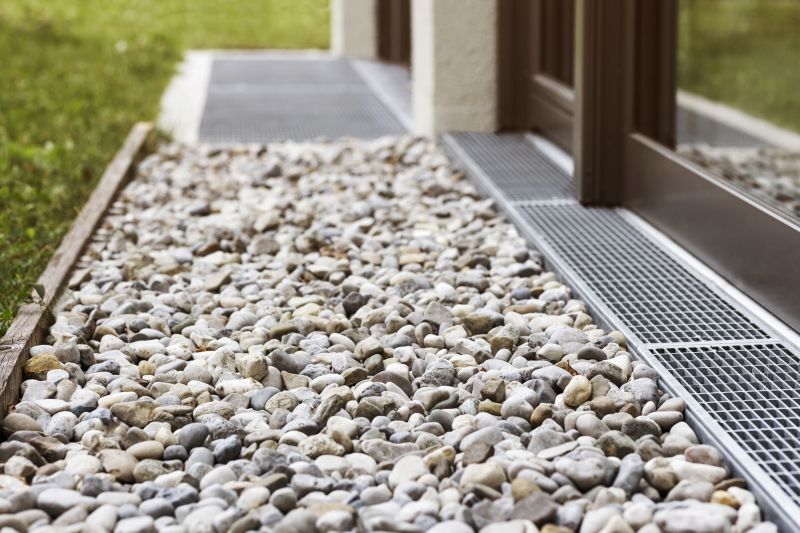
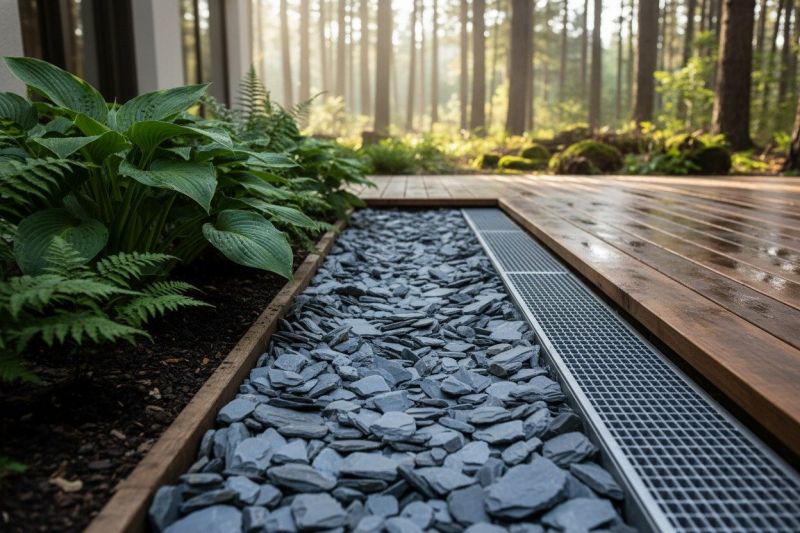
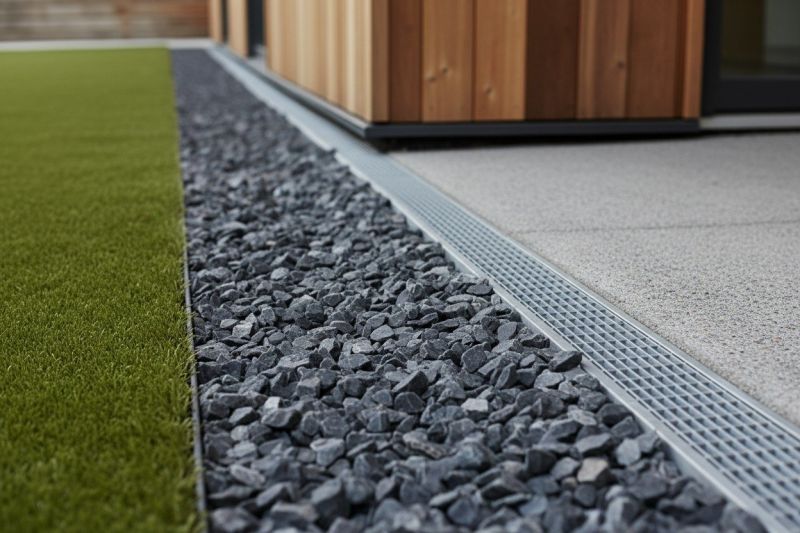
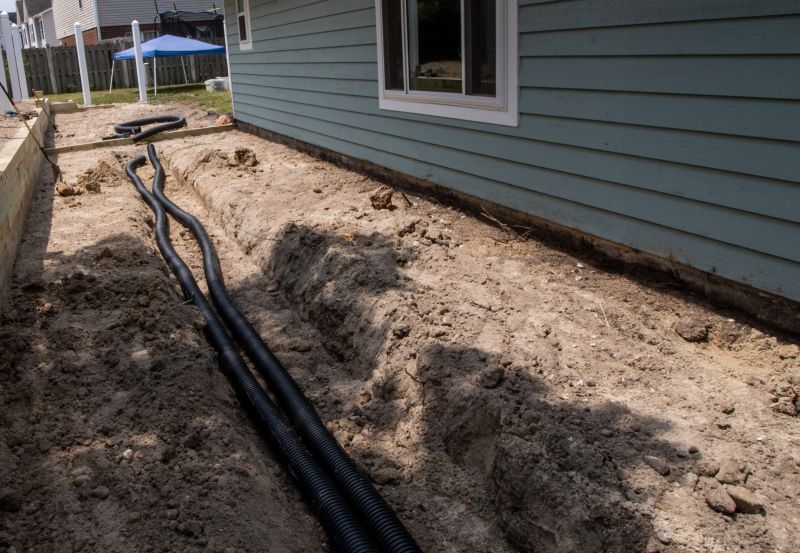
French drain installation is a practical solution for managing excess water around a property’s foundation, yard, or basement. This service involves digging a trench and installing a perforated pipe, which is then covered with gravel or rock. The purpose of a French drain is to redirect groundwater away from areas where it can cause issues, helping to keep the property dry and stable. These drains are typically installed along the perimeter of a home or in areas prone to pooling water, providing an effective way to control water flow and prevent water from seeping into basements or crawl spaces.
Many homeowners turn to French drain services when facing persistent drainage problems. Common issues include water pooling in the yard after heavy rain, basement flooding, or soil erosion around the foundation. These problems can lead to structural damage, mold growth, or landscape deterioration if not addressed. A properly installed French drain can help mitigate these risks by directing water away from critical areas, reducing moisture buildup, and improving overall drainage. This makes it a valuable solution for properties experiencing water-related challenges, especially in areas with heavy rainfall or poor soil drainage.
Properties that often benefit from French drain installation include residential homes with basements, yards with poor drainage, or properties situated on slopes. Homes with a history of basement leaks or water infiltration during storms are prime candidates for this service. Additionally, properties with landscaping that erodes or becomes waterlogged can see significant improvements. French drains are versatile and can be customized to fit the specific drainage needs of different properties, whether it's a small yard or a larger estate. Local contractors experienced in drainage solutions can assess the site and recommend the most effective installation approach.
For homeowners considering a French drain, working with experienced service providers ensures the system is installed correctly and functions as intended. Local contractors can evaluate the property’s specific drainage challenges, recommend suitable solutions, and handle the installation process efficiently. This service is especially useful in areas where heavy rainfall, poor soil conditions, or landscape features contribute to water management issues. Contacting local pros for a professional assessment can help determine if a French drain is the right solution to protect a property from water damage and improve outdoor and basement conditions.
The overview below groups typical French Drain Installation projects into broad ranges so you can see how smaller, mid-sized, and larger jobs often compare in Grand Rapids, MI.
In many markets, a large share of routine jobs stays in the lower and middle ranges, while only a smaller percentage of projects moves into the highest bands when the work is more complex or site conditions are harder than average.
Smaller Repairs - Typical costs for minor French drain repairs or installations in residential properties range from $250-$600. Many routine jobs fall within this range, especially for straightforward drainage fixes around the yard or basement areas.
Standard Installations - For full French drain systems in medium-sized properties, local contractors generally charge between $1,500 and $3,500. This range covers most common projects involving new drain lines and basic trench work.
Large or Complex Projects - Larger, more complex installations, such as extensive yard drainage or additional waterproofing features, can reach $4,000-$8,000 or more. Fewer projects typically fall into this higher tier, but they are necessary for challenging terrain or extensive coverage.
Full Replacement - Replacing an existing French drain system entirely often costs between $3,000 and $7,000, depending on the size and accessibility of the area. Many contractors handle these projects within this range, though larger or more difficult sites can push costs higher.
Actual totals will depend on details like access to the work area, the scope of the project, and the materials selected, so use these as general starting points rather than exact figures.
Drainage System Installation - Local contractors skilled in installing drainage systems can handle projects that involve managing water flow and preventing pooling around foundations.
Landscape Grading - Proper grading requires expertise in soil leveling and slope planning, which is essential for effective French drain placement and water diversion.
Foundation Waterproofing - Waterproofing foundations often involves drainage solutions similar to French drains to keep basements dry and protect structural integrity.
Sump Pump Installation - Installing sump pumps complements French drain systems by removing collected water, requiring similar planning and plumbing skills.
Erosion Control Projects - Erosion control involves managing water runoff and soil stabilization, utilizing techniques comparable to those used in French drain setups.
Retaining Wall Construction - Building retaining walls often involves drainage planning to prevent water buildup, aligning with skills used in French drain installation.
When selecting a contractor for French drain installation, it’s important to consider their experience with similar projects. Homeowners should look for service providers who have a track record of successfully completing drainage systems in residential settings comparable to their own. Asking for examples of past work or references related to French drains can help gauge a contractor’s familiarity with the specific challenges and solutions involved in such projects, ensuring that the chosen professional understands the nuances of effective drainage design and installation.
Clear communication about project expectations is essential to avoid misunderstandings and ensure satisfaction. Homeowners should seek out service providers who are transparent about the scope of work, what the process entails, and any potential considerations or limitations. A reputable contractor will be willing to discuss the details openly and provide written descriptions of what the project will include, helping homeowners make informed decisions and set realistic expectations for the outcome.
Reputable references and good communication are key indicators of a dependable service provider. Homeowners can ask local contractors for references from previous clients, particularly those who had similar drainage needs. This feedback can offer insight into the contractor’s professionalism, reliability, and ability to complete projects on time and to the homeowner’s satisfaction. Additionally, service providers who communicate clearly and promptly can help ensure that the project progresses smoothly and that any questions or concerns are addressed throughout the process. It’s important to remember that this site introduces homeowners to local options, not that it performs the work itself, so taking the time to evaluate these factors can lead to a more successful installation experience.
Property owners in Grand Rapids, MI use French Drain Installation services for practical projects around their homes and businesses. This guide focuses on everyday jobs and straightforward project options.
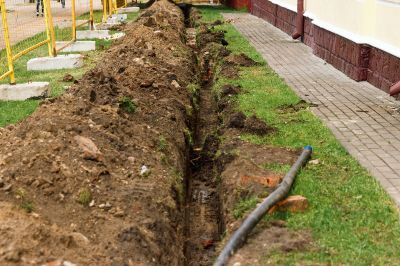
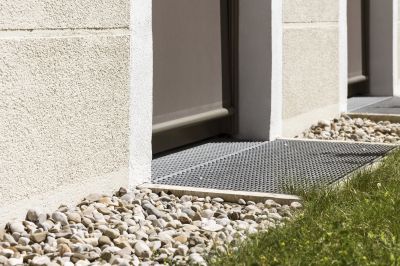
French drain installation is often sought by property owners in Grand Rapids, MI, who are dealing with persistent basement flooding, soggy yards, or standing water after heavy rains. These issues can lead to water pooling around foundations or in low-lying areas, causing damage over time. Local contractors specializing in drainage solutions can assess the property’s specific needs and install effective systems to redirect excess water away from the home or landscape, helping to prevent water-related problems.
Homeowners may also look for French drain services when preparing for seasonal changes or after experiencing heavy storms that overwhelm existing drainage. In neighborhoods where clay soils or uneven terrain are common, proper drainage becomes crucial for maintaining the integrity of lawns and foundations. Service providers in the area can provide tailored solutions to improve water flow and reduce the risk of water damage, offering peace of mind during wet seasons.
What is a French drain and how does it work? A French drain is a trench filled with gravel or rock that redirects surface water and groundwater away from a property. It typically includes a perforated pipe that helps channel water efficiently to prevent pooling and water damage.
When should I consider installing a French drain? Installation may be recommended if there are persistent areas of standing water, basement flooding, or soil erosion around a property. Local contractors can assess the site's drainage needs to determine if a French drain is suitable.
What are the common types of French drains available? There are various types, including curtain drains, interior drains, and trench drains, each designed for specific drainage challenges. Service providers can advise on the best type based on the property's layout and water issues.
How is a French drain installed in a typical residential setting? Installation involves excavating a trench, laying a perforated pipe surrounded by gravel, and covering it with soil or landscaping materials. Local contractors handle the process to ensure proper placement and effectiveness.
Can a French drain be integrated with other drainage solutions? Yes, French drains can be combined with sump pumps, dry wells, or surface drains to create a comprehensive drainage system tailored to the property's needs. Service providers can help design an integrated solution.
Prevent Basement Flooding - Installing a French drain can help divert excess water away from the foundation during heavy rains, reducing the risk of water seeping into basements.
Improve Yard Drainage - Proper French drain installation can alleviate standing water in lawns and gardens, making outdoor spaces safer and more usable.
Protect Landscaping - Installing a French drain can prevent water from pooling around plants and trees, helping to preserve garden health and prevent erosion.
Manage Surface Water - French drains can direct runoff away from driveways and walkways, minimizing water pooling and potential damage to property features.
If you are thinking about French Drain Installation for a property in Grand Rapids, MI, this guide is meant to help you understand the work, the typical project types, and how different options might fit your plans.
When you are ready, you can use the quote form on this page to share a few details about your project. From there, local pros can review the basics and respond with options that match what you have in mind.